
Recovery · July 15, 2026 · 6 min · By Tobias Erevelles
Do you need lymphatic massage after liposuction?
A gentle comfort measure that eases swelling, not a shortcut to your final contour.
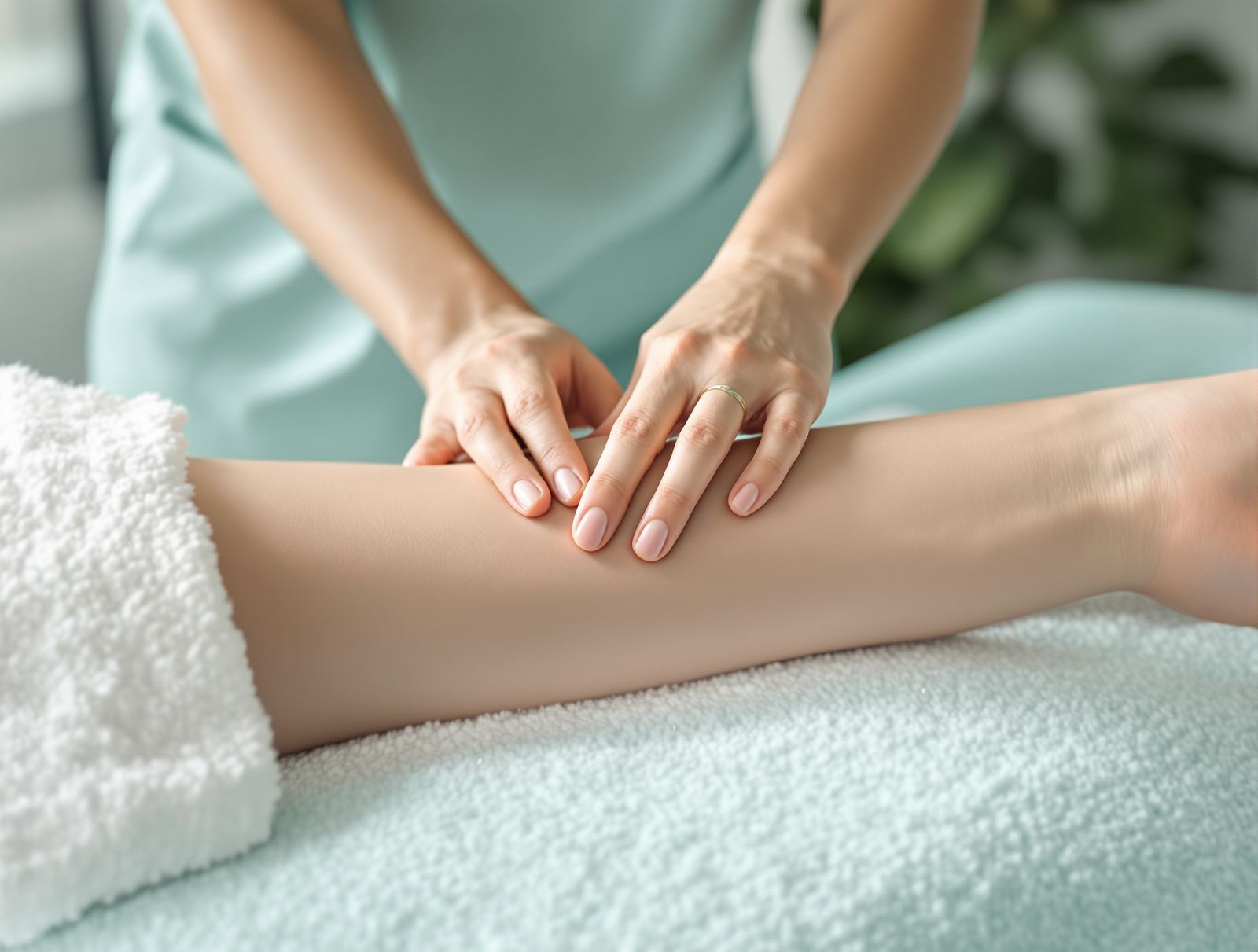
One of the most searched questions in liposuction recovery is whether lymphatic drainage massage is necessary, and the honest answer sits between the two extremes patients usually hear: it is not a miracle that makes swelling vanish, but it is a genuinely useful comfort measure that many Beverly Hills practices fold into the recovery plan. Knowing what it does, and what it does not do, keeps you from either skipping something helpful or paying for something oversold.
What lymphatic drainage massage actually is. Manual lymphatic drainage is a light, rhythmic massage technique that uses gentle, sweeping strokes over the skin to encourage the body to move tissue fluid toward the lymph nodes, where it is naturally cleared. It is deliberately soft, nothing like a deep-tissue sports massage, because the goal is to nudge fluid through vessels that sit just under the skin rather than to work the muscle beneath. After liposuction, the treated area is left with swelling and trapped fluid as the body heals, and the theory is that guiding that fluid along faster can ease the puffy, heavy feeling of early recovery.
What it can and cannot do. The realistic benefit is comfort and, for some patients, a modestly faster reduction in the day-to-day swelling that makes the first weeks uncomfortable. Many people report that the area feels lighter and less tight after a session. What it does not do is change how much fat was removed or rescue a poorly performed operation, and it will not shortcut the months-long timeline to the final contour described in liposuction recovery and when you will see results. Swelling after liposuction resolves over weeks and months no matter what, and massage is a way to feel better along that path rather than a way to skip it. Cleveland Clinic notes that manual lymphatic drainage is a gentle, supportive technique rather than a cure for any single condition (Cleveland Clinic).
When it usually starts, and how often. Protocols vary by surgeon, and the operating surgeon's instructions always come first, but massage is typically introduced after the earliest, most tender days rather than immediately, often somewhere in the first week or two once the incisions are settling. From there some practices suggest a short series of sessions across the following weeks. The sessions are meant to work alongside your compression garment, not replace it, and the garment remains the quiet workhorse of early recovery, as explained in compression garments after liposuction. If a provider promises a dramatic result from massage alone, treat that as marketing rather than medicine.
Who should perform it, and safety. This is not a random spa treatment. Lymphatic drainage after surgery should be done by someone trained in the technique and comfortable working around healing surgical sites, ideally a certified lymphedema therapist or a provider your surgeon recommends. Pressure that is too firm, or a therapist who does not understand the recent surgery, can bruise tender tissue or irritate incisions rather than help. It is also worth clearing massage with your surgeon first, because certain complications, an infection, a fluid collection, or a blood clot, are reasons to pause and be evaluated rather than massaged. The American Society of Plastic Surgeons emphasizes following your surgeon's specific aftercare plan over generic advice (American Society of Plastic Surgeons). Major medical centers likewise stress that recovery care should be matched to your individual procedure and monitored properly (Mayo Clinic).
How it fits the rest of recovery. Think of lymphatic massage as one optional tool in a larger kit, not the centerpiece. The fundamentals that actually protect your result are wearing compression as directed, moving gently and early, and easing back into activity on schedule rather than rushing, the ladder laid out in returning to exercise after liposuction. Massage can make those weeks more comfortable, and for some patients it genuinely helps the swelling feel more manageable, but it works with those basics rather than substituting for any of them.
The takeaway. Lymphatic drainage massage after liposuction is a reasonable, comfort-focused add-on, not a required step and not a shortcut to your final shape. If your surgeon recommends it and a qualified therapist performs it, it can make early recovery feel lighter and less tight. Judge it for what it honestly offers, a gentler few weeks, and keep your expectations for the contour itself anchored to the compression, patience, and stable weight that truly decide the result.