
Explainer · August 9, 2026 · 5 min · By Uma Kristiansen
Why the Scale Goes Up After Liposuction: The Third Space Problem Explained
Patients routinely gain two to eight pounds in the week after fat removal. The reason is fluid physiology, not failed surgery. Here is what actually happens inside the body, and the realistic timeline for it to resolve.
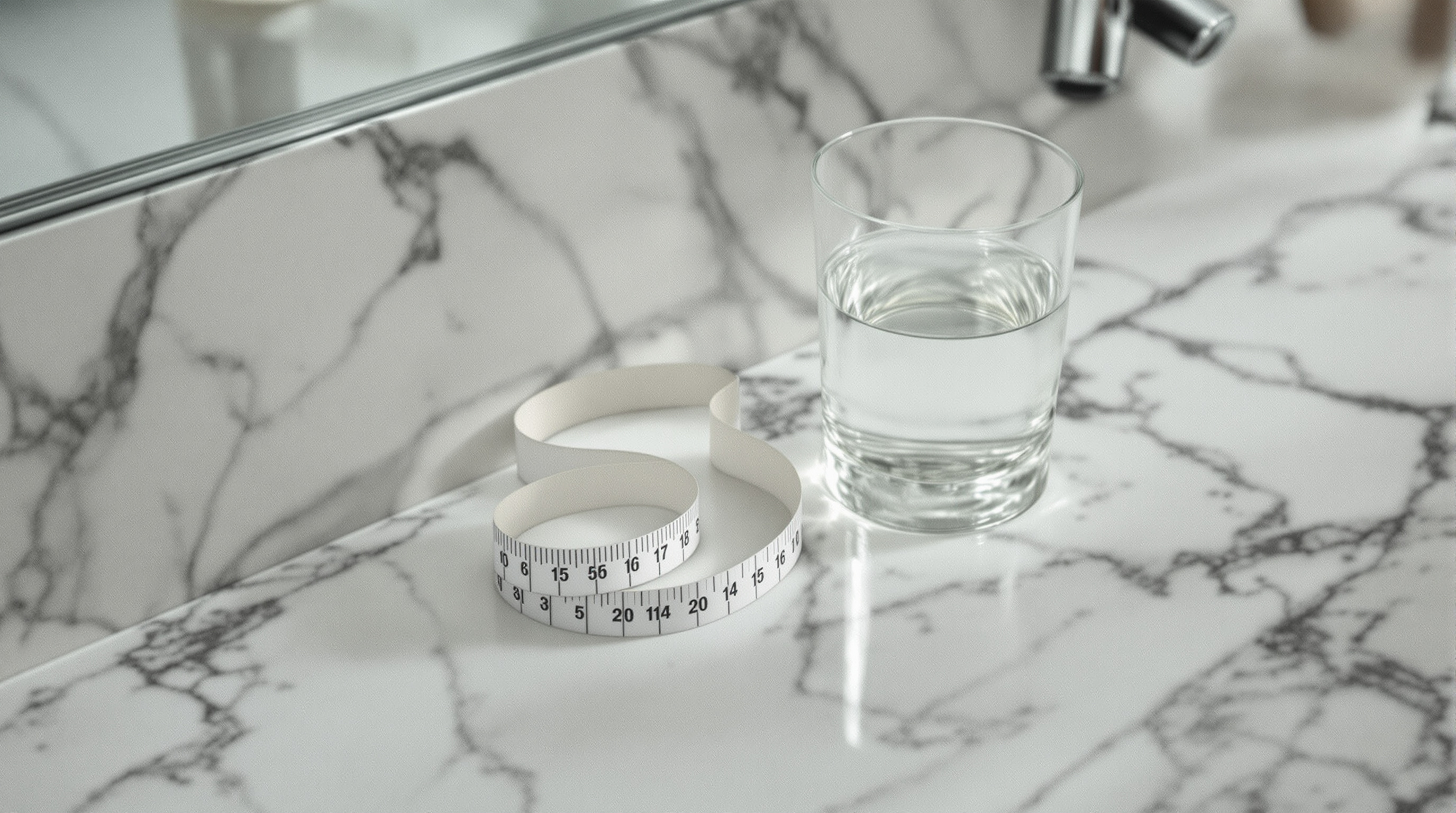
One of the most common panicked messages surgeons receive arrives around day four after liposuction. The patient steps on a scale, sees a number higher than before surgery, and assumes something went wrong. Nothing went wrong. The weight gain is expected, mechanistically predictable, and temporary. But almost nobody explains the physiology in plain terms before surgery, so it lands as a shock.
The tumescent fluid does not leave when the cannula does. Modern liposuction begins with the infiltration of tumescent solution, a mix of saline, dilute lidocaine, and epinephrine, pumped into the fat layer to firm the tissue, control bleeding, and provide anesthesia. Depending on the number of areas treated, a surgeon may infiltrate one to five liters of this fluid. Only a portion of it is suctioned back out with the fat. The rest sits in the tissue and must be absorbed into the bloodstream and processed by the kidneys over roughly 24 to 72 hours. During that window, the body is literally carrying extra water weight that was installed on purpose.
Then inflammation takes over. Liposuction creates thousands of small tunnels through the fat layer. The body treats this as it treats any soft tissue injury: capillaries become more permeable, and protein-rich fluid leaks into the space between cells. Clinicians call this interstitial or third space fluid, meaning it is neither inside blood vessels nor inside cells. It is parked in the tissue itself. Third space fluid is heavy, it does not respond quickly to drinking less water, and it peaks around days three to five after surgery. This is why the scale often reads its highest not on day one, but near the end of the first week.
Lymphatics are the drainage system, and they were just disrupted. The lymphatic network normally clears interstitial fluid, but liposuction temporarily damages some of those fine channels. Drainage capacity drops exactly when the fluid load rises. The result is swelling that resolves in a pattern most patients find strange: the treated area may look reasonable at day two, worse at day five, and gravity pulls fluid downward, so abdominal liposuction commonly produces swelling in the pubic area or upper thighs. Arm liposuction can swell the hands. This migration is normal fluid tracking along tissue planes, not new injury.
What the realistic timeline looks like. Numbers vary by patient and by how many zones were treated, but a general pattern holds. Days one to three: retained tumescent fluid dominates, and increased urination is common as the kidneys clear it. Days three to seven: inflammatory swelling peaks, and scale weight is often at its highest. Weeks two to four: the majority of visible swelling recedes, though the tissue still feels firm or lumpy as early healing collagen forms. Weeks six to twelve: most fluid weight is gone and the scale becomes meaningful again. Months three to six: residual firmness and low grade swelling continue to soften, and final contour is typically judged at six months, sometimes twelve for larger cases or fibrous areas like the back.
Why fat removal does not equal pounds removed anyway. Even setting fluid aside, the arithmetic surprises people. Fat is not dense. A liter of aspirated fat weighs roughly two pounds, and a substantial portion of the aspirate is fluid rather than pure fat. A typical cosmetic case removes two to four liters of total aspirate, which translates to only a few pounds of actual tissue. Liposuction is a contouring procedure measured in centimeters and silhouette, not a weight loss procedure measured on a scale. Patients who fixate on the number tend to miss the change that matters, which is shape.
What helps, and what does not. Compression garments apply external pressure that limits how much fluid can pool in the third space and encourages it back toward functioning lymphatics, which is the mechanistic reason surgeons insist on them for several weeks. Walking early and often acts as a muscle pump for both venous and lymphatic return. Adequate hydration paradoxically helps, because dehydration triggers hormonal signals to retain sodium and water. High sodium meals in the first weeks do the opposite and can visibly worsen swelling within a day. Manual lymphatic drainage massage is widely used and many patients report it speeds comfort, though evidence for changing final results is modest. Diuretics without medical supervision are a bad idea: they pull water from the bloodstream, not efficiently from the third space, and can strain electrolytes during recovery.
When swelling is not just swelling. Symmetric, gradually improving puffiness is expected. A fluctuant pocket that sloshes or a localized bulge that enlarges after week one may indicate a seroma, a collection of fluid that sometimes needs drainage by the surgeon. One sided calf pain or sudden shortness of breath warrants urgent evaluation. Those exceptions aside, the honest guidance is simple: put the scale away for six weeks, wear the garment, walk, and let the kidneys and lymphatics do slow, boring, reliable work.
Related reading: Inside the Tumescent Bag: What Surgeons Actually Infuse Before Liposuction, and Why Each Ingredient Matters.
Further reading: Liposuction (Hautarzt 2018); Evidence-Based Medicine: Liposuction (Plast Reconstr Surg 2017); Tumescent liposuction (Clin Plast Surg 2013).